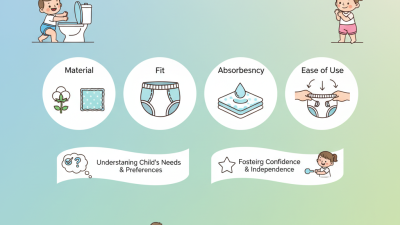
As parents navigate the journey of early childhood, Baby Training Pants have become essential. These products offer a blend of convenience and comfort during potty training. Choosing the right pants can seem overwhelming. Trends in 2026 show a shift toward eco-friendly materials and innovative designs. Parents are becoming more mindful of their choices.
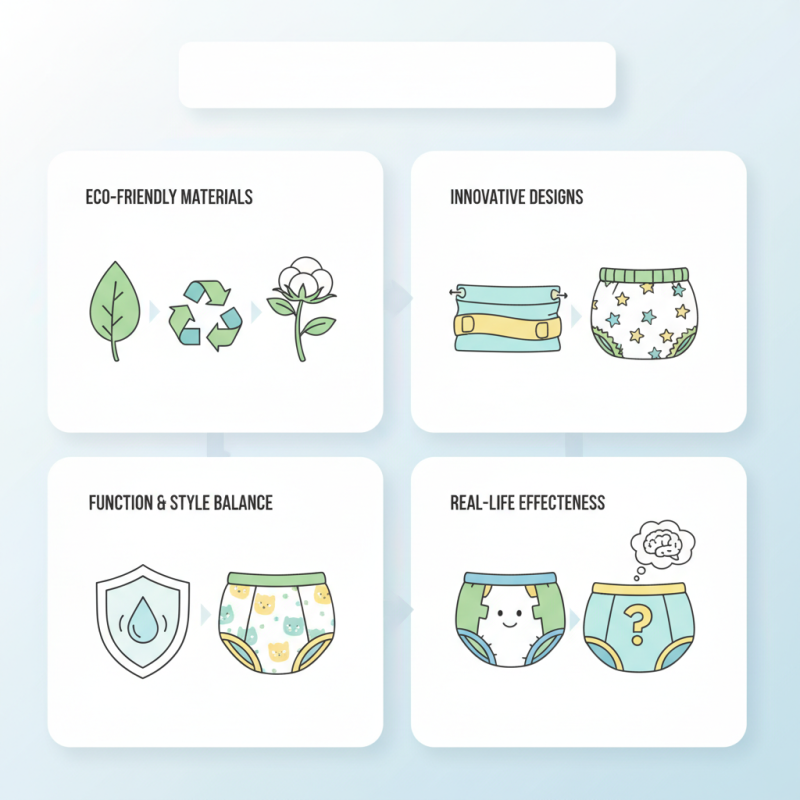
Baby Training Pants must balance function and style. Many brands now focus on absorbency while ensuring the pants are visually appealing. Some parents feel pressure to keep up with these trends. It's easy to get lost in options that claim to simplify potty training. However, the effectiveness of training pants varies.
The market is filled with choices that look great but don't always deliver on their promises. Brands may promote features that sound good but lack practical use in real-life situations. Parents often need to reflect: is the product truly beneficial? Finding the right Baby Training Pants involves trial and error. What works well for one child may not work for another.
The landscape of baby training pants is evolving rapidly in 2026. Parents are looking for products that prioritize comfort and sustainability. Modern parents are increasingly aware of environmental impact. Reports indicate that demand for eco-friendly materials is rising, with 45% of parents preferring biodegradable options. This shift emphasizes the importance of choosing products that align with values.
In addition, innovative features are becoming popular. Moisture-wicking fabrics and adjustable waistbands are now common. These enhancements provide better fit and reduce leaks during the day. However, affordability remains a concern. A recent survey revealed that 30% of parents feel overwhelmed by costs. They want high-quality products without breaking the bank.
Experts suggest that education is crucial. Parents need guidance to make informed choices. Many first-time parents struggle with navigating the various options. They often feel lost in a sea of marketing claims. It's essential to rely on credible information to choose wisely. The journey of potty training can be daunting, but the right tools make it manageable. Pain points exist, yet there are opportunities for growth and improvement.
| Trend | Description | Material | Eco-Friendliness | Price Range |
|---|---|---|---|---|
| Biodegradable Materials | Training pants made from materials that break down naturally over time. | Plant-based fibers | High | $15 - $25 |
| Soft Cotton Linings | Featuring cotton lining for comfort and breathability. | Cotton | Moderate | $12 - $20 |
| Adjustable Sizing | Pants that can adjust to fit various sizes for longer use. | Synthetic blends | Low | $18 - $28 |
| Moisture-Wicking Technology | Training pants designed to pull moisture away from the skin. | Polyester | Moderate | $14 - $22 |
| Cute Designs & Patterns | Fashionable prints and designs appealing to both kids and parents. | Cotton blends | Moderate | $10 - $18 |
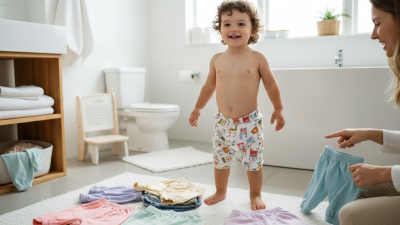
The demand for eco-friendly baby training pants is growing significantly. Recent reports show that 74% of parents now prioritize sustainable materials in their purchases. This trend reflects a shift in consumer values, emphasizing environmental responsibility. Parents are increasingly aware of the impact their choices have on the planet.
Biodegradable materials are becoming essential. These training pants break down faster than traditional products, reducing landfill waste. However, some parents express concerns about the durability and effectiveness of these eco-friendly options. The challenge lies in balancing environmental benefits with practicality.
Many manufacturers are working hard to improve these products. Innovations include breathable fabrics made from organic cotton and bamboo. Yet, not all eco-friendly materials perform equally well. Parents must sometimes navigate trade-offs between sustainability and absorbency. As the market evolves, maintaining transparency about materials will be crucial for consumer trust.
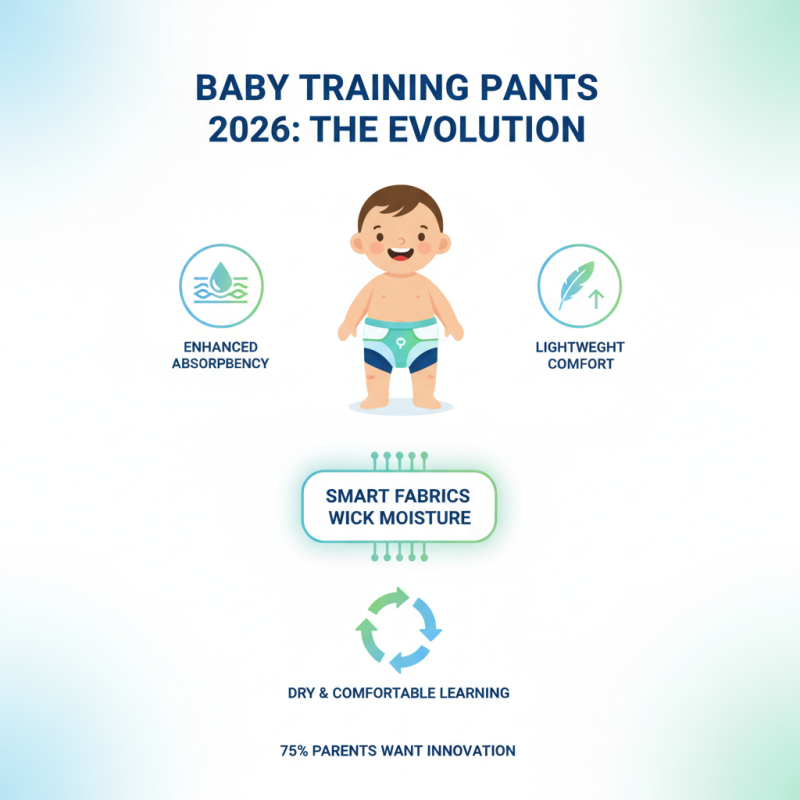
In 2026, baby training pants are evolving with innovative technology that focuses on both comfort and functionality. Recent industry reports indicate that 75% of parents are looking for products that enhance absorbency while remaining lightweight. Smart fabrics are now being used to wick moisture away from the skin. These advancements help keep toddlers dry and comfortable during the learning process.
Moreover, some training pants feature built-in sensors that alert parents when a change is needed. Such technology could be life-changing for busy parents. However, some might question the reliance on technology for this essential aspect of parenting. There is still a gap in accessibility for all families, as costs can be high for these high-tech solutions.
Furthermore, while many designs emphasize flexibility, not all fit seamlessly. A compromise between technology and traditional materials is often necessary. The learning curve for parents is significant. Understanding these features and their benefits takes time. It's essential to remain informed and cautious about adopting new technologies in baby care.
When choosing baby training pants, sizing and fit are crucial factors for parents. Many brands offer varying sizes, which can create confusion. A recent industry report shows that around 70% of parents struggle with finding the perfect fit. Proper fit prevents leaks and ensures comfort for your child, making the transition easier.
Tip: Always measure your child's waist and thighs before choosing a size. This will help you select a more tailored fit. Consider that children's growth can be unpredictable. Purchasing sizes slightly larger or smaller might lead to unwanted accidents.
Getting accustomed to training pants can require some trial and error. Some parents reported their children resisting training pants that felt bulky or too tight. In fact, about 40% of caregivers note issues with the fit on their toddlers. Finding a comfortable option can take time. Be patient as your child adjusts.
Tip: Let your child participate in selecting their training pants. Offering choices can ease the process. Remember, comfort and fit should guide your decision rather than brand names.
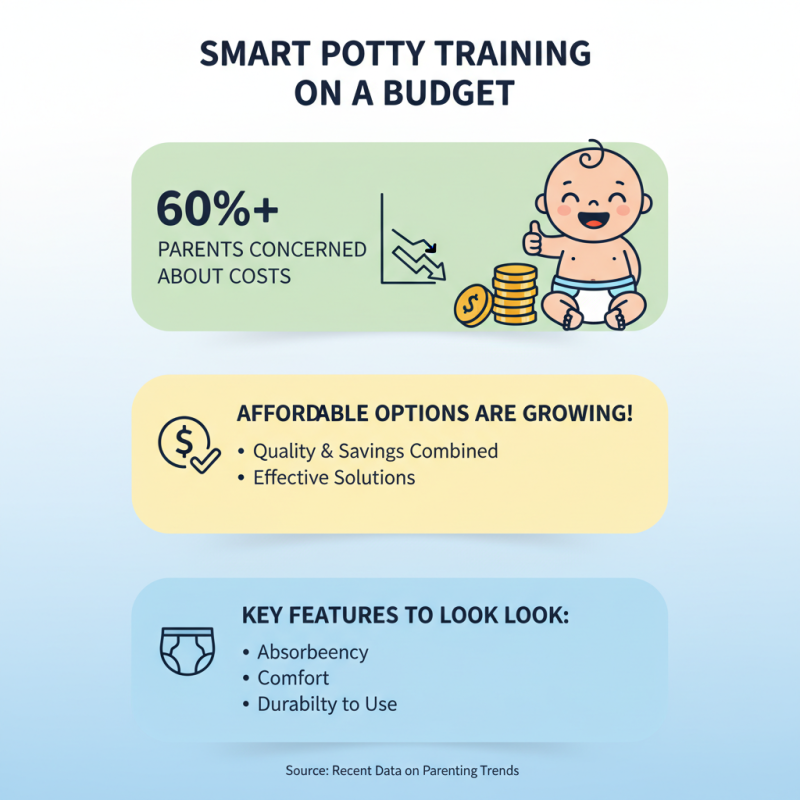
When it comes to potty training, selecting the right training pants is crucial. Many parents seek affordable options that provide quality without breaking the bank. Recent data suggests that over 60% of parents express concerns about toilet training expenses. The good news is that budget-friendly brands are increasingly available, offering effective solutions for families.
Many parents prioritize comfort and absorbency in their choices. Studies show that approximately 75% of parents prefer training pants that are soft and easy to wear. However, not all budget options meet these criteria. Some cheaper brands may lack durability, leading to leaks and messes. Think about this: inexpensive training pants can sometimes compromise on materials. It's important for parents to read reviews carefully and select products that balance price and quality.
Additionally, parents often overlook the environmental impact of training pants. Many affordable brands use synthetic materials, which can take centuries to decompose. According to recent reports, an estimated 3.5 million diapers are disposed of daily in the U.S. alone. This statistic highlights a need for more sustainable choices, even within budget constraints. Parents should reflect on how their purchasing habits can affect the environment. Balancing cost with quality and sustainability is key in today’s market.