Baby Training Pants are a crucial tool in the toilet training process. According to recent market analysis, the global baby training pants market is expected to reach $5 billion by 2025. This demonstrates the increasing demand for effective and comfortable training solutions.
Parents face unique challenges during toilet training. Many struggle with choosing the right product that balances comfort and absorbency. The average child starts toilet training between 18 to 24 months, making this an essential transition. Baby Training Pants are designed to support this journey, offering a blend of convenience and reassurance.
Yet, not all products are equal. Some may lack adequate absorbency, leading to discomfort or accidents. Parents should consider different brands and types carefully. It’s important to reflect on the balance between ease of use and effective training. In the end, Baby Training Pants should facilitate a smoother transition for both parents and children.

Baby training pants are a transitional garment designed to help toddlers shift from diapers to underwear. These pants are typically made from soft, absorbent materials and feature an inner layer designed to capture small accidents. According to industry reports, nearly 75% of parents use training pants during the potty training phase. This indicates their widespread acceptance in modern parenting practices.
The main purpose of baby training pants is to provide comfort and confidence for toddlers. These pants allow children to feel wetness, promoting awareness of their bodily functions. However, some may argue that the design can lead to confusion. For instance, the thicker materials can make it harder for kids to identify when they are wet. Many parents also report issues with fit and leakage, which can be frustrating during the training process.
Training pants often come with fun designs that appeal to young children. This can encourage self-dressing and make potty training more appealing. Yet, they may not be as effective for all children. Some kids might prefer the feel and security of diapers. Understanding the benefits and limitations of these garments can help parents make informed choices during this important developmental stage.
The evolution of baby training pants marks a significant shift in parenthood practices. In the past, traditional cloth diapers reigned supreme. They were effective but often cumbersome. The invention of absorbent materials changed the game, allowing for a more comfortable fit. Parents appreciated the ease of use and the convenience of disposable options.
Nowadays, training pants serve as a bridge between diapers and toilet training. They have a pull-up style that encourages independence. Children feel like they are wearing regular underwear. However, this transition can lead to misunderstandings about what it means to be “potty trained.” Some kids may still prefer the security of a diaper, causing frustration for parents.
While training pants offer benefits, they are not a one-size-fits-all solution. Some children adapt quickly, while others struggle. The idea is to encourage, not pressure. Monitoring the child's readiness is key. Parents must remain patient and flexible during this journey. Each step taken is a learning experience, both for the child and the caregiver.
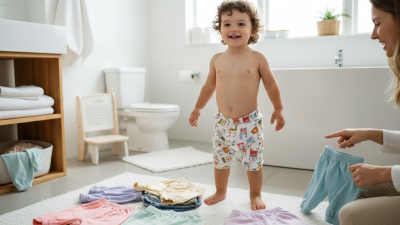
Baby training pants offer a unique blend of comfort and practicality. They are designed to be easy for toddlers to pull up and down. This feature encourages independence during potty training. Many parents appreciate this as it helps reduce accidents. The soft material provides a cozy feel, keeping little ones happy throughout the day.
Convenience is another key aspect of training pants. Busy parents often struggle with frequent diaper changes. These pants can be changed quickly, minimizing disruption. They are useful during outings or playdates. Children can practice their potty skills without much hassle. It's a small but significant step towards self-sufficiency.
However, not all experiences are perfect. Some children may face challenges when transitioning from diapers to training pants. There might be discomfort initially, and accidents are bound to happen. Recognizing these hiccups is essential for both kids and parents. It often takes time for children to adjust. Each child's journey is unique, filled with ups and downs.
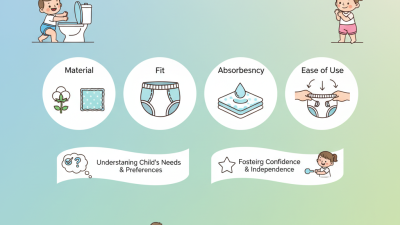
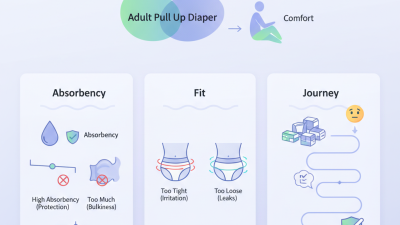
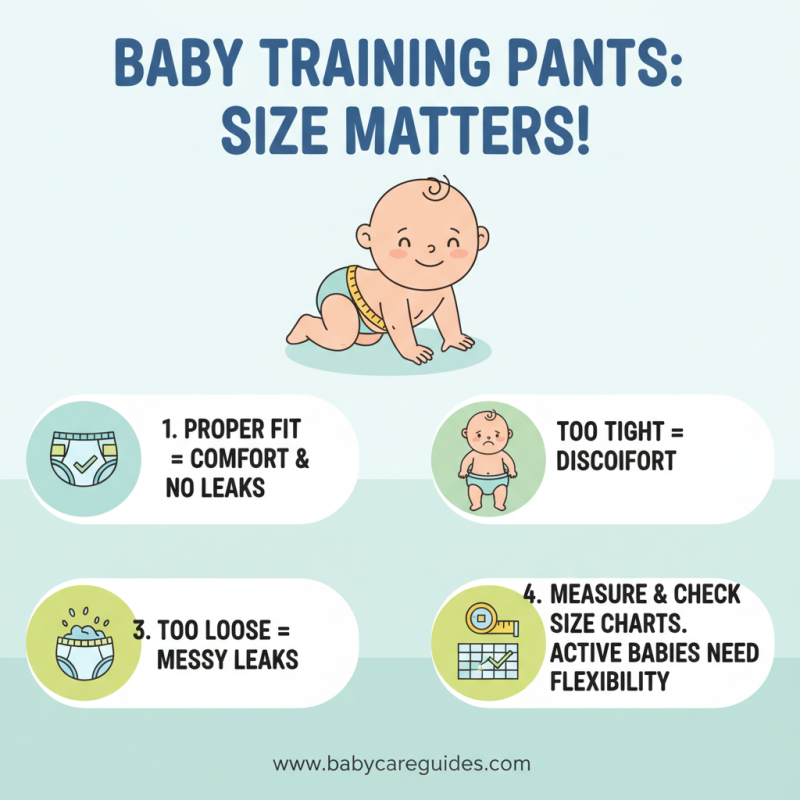
When selecting the right baby training pants, size is crucial. A proper fit ensures comfort and prevents leaks. Too tight can cause discomfort. Too loose may not contain messes effectively. Measure your baby’s waist and refer to sizing charts for guidance. Consider how your baby moves. Active toddlers need more flexibility.
Material matters significantly, too. Look for breathable fabrics that are soft against delicate skin. Cotton blends are often a great choice. They allow airflow, reducing the risk of rashes. Some pants are thicker for absorbency, while others favor a lighter design for mobility. Balance absorbency with comfort.
Features can enhance usability. A stretchy waistband can make them easier to pull on and off. Some training pants have wetness indicators which help parents know when it's time for a change. Reflect on your baby's routine. Are they at daycare? Do they nap frequently? Each scenario may require different features. Finding the perfect combination takes time. You might try several options before finding the best fit for your little one.
In recent years, baby training pants have gained significant traction in the market. Parents appreciate the convenience and effectiveness these products offer during potty training. A recent survey showed that over 70% of parents prefer using training pants over traditional diapers. This shift reflects a growing understanding of child development.
Research indicates that baby training pants provide a sense of independence for toddlers. They encourage children to take control of their toilet habits. The soft, underwear-like design makes it easier for little ones to pull them up and down. This increase in independence can lead to faster potty training success.
**Tips:** Choose training pants that fit well. A proper fit prevents leaks. Additionally, involve your child in the process. Let them pick out their training pants to create excitement. Monitor your child’s progress closely. Every child is different, and some may need more time than others. Don't rush the process; it's important to be patient and supportive.