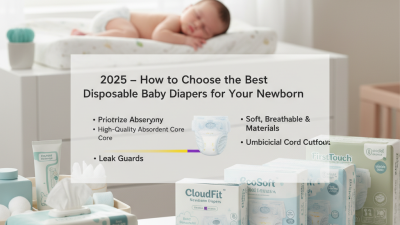
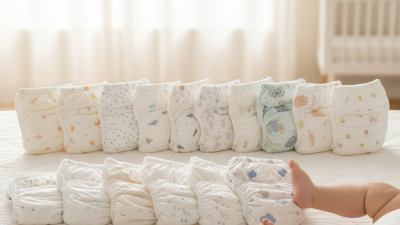
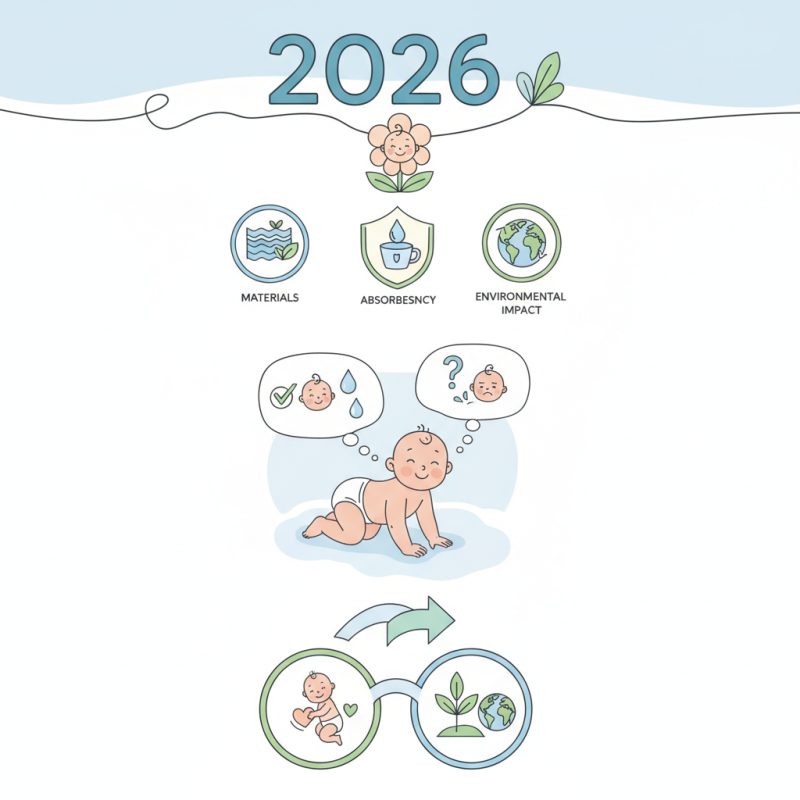
As parents navigate the overwhelming world of childcare products, Disposable Baby Diapers stand out as a crucial choice. Experts like Dr. Sarah Thompson, a pediatrician and child health advocate, emphasize, "The right diaper can significantly impact a baby's comfort and health." In 2026, selecting the best disposable diapers involves more than just convenience. It requires considerations of materials, absorbency, and environmental impact.
Every parent wants what is best for their child. However, with countless brands and options available, this task can quickly become daunting. Many disposable baby diapers claim to offer superior features. Yet, some products may fall short of the mark, causing irritation or leaks. Parents must remain vigilant and informed.
Finding the perfect balance between comfort and practicality is a journey filled with trial and error. Not all diapers will suit every baby. Each child is unique, and what works for one may not work for another. Reflecting on our choices can lead to better products that prioritize both our babies' comfort and our planet's health.
Choosing the right disposable diapers can be overwhelming for new parents. With so many options available, it’s essential to focus on a few key factors. Look for diapers that offer good absorbency and leak protection. Many parents also prefer options that are softer and more comfortable for their babies. Remember, each baby has unique needs. What works for one might not work for another.
It's also important to consider the environmental impact. Some disposable diapers are made from eco-friendly materials. However, they might not always perform as well. Parents should weigh the pros and cons carefully. There are debates on which types truly make a difference. Talk to other parents for their insights. Honest opinions can provide a reality check on what you may expect.
Lastly, price is a significant factor. Affordable options can sometimes sacrifice quality. Experiment with different brands to find the best fit for your family. Remember to reflect on your choices. The right diaper not only meets your baby’s needs but also your values as a parent.
This bar chart displays the average absorbency (in milliliters) and price range (in USD) of the top disposable baby diapers for the year 2026. It provides parents with insights into the effectiveness and cost of different options available in the market.
When choosing disposable baby diapers, parents need to focus on several key features. Absorbency is crucial. A diaper that holds liquid well keeps your baby dry and comfortable. Choosing a diaper with high absorbency helps reduce leaks during the night. Consider the fit and size, too. A snug fit prevents blowouts but should never be too tight. Finding the right size can sometimes be a hit or miss.
Another important aspect is breathability. Diapers made from breathable materials reduce the risk of rashes. Babies often squirm, and a good diaper allows air circulation. Many parents appreciate wetness indicators. These indicators show when a diaper needs changing. However, some parents find them unreliable after a few uses. It’s worth testing them out to see if they work for your routine.
Lastly, think about your baby’s skin sensitivity. Some diapers may cause irritation. It’s important to observe your baby’s reaction. Not all options are perfect for every baby. Finding the right disposable diaper may take time and patience. Be open to trying different types until you find the best fit for your family.
When choosing disposable baby diapers in 2026, parents face a multitude of options. Research indicates that the global disposable diaper market is expected to reach $81.3 billion by 2026. This growth highlights the increasing demand for convenience among parents. Alongside this trend, sustainability also rises in importance. Many manufacturers now focus on eco-friendly materials in their diaper production.
Top brands are introducing innovations, including improved absorption technologies and skin-friendly materials. According to industry reports, the market has seen a 15% increase in products designed for sensitive skin. While it’s essential to consider advancements, some parents may find themselves overwhelmed by the plethora of choices. Not every diaper performs as advertised. Parents should pay attention to fit, absorbency, and potential skin irritation.
In addition, price can range widely, making it necessary to weigh cost versus quality. Some parents may opt for more affordable options, yet these may not provide the same level of comfort. If a diaper leaks or causes rashes, it could lead to sleepless nights. Therefore, careful consideration and research are key. Always look for user reviews to get real-life insights before making a decision.
| Feature | Description | Rating (out of 5) |
|---|---|---|
| Absorbency | Excellent moisture retention with advanced technology. | 4.8 |
| Comfort | Soft materials designed to keep baby's skin comfortable and dry. | 4.7 |
| Eco-Friendliness | Made with biodegradable materials, reducing environmental impact. | 4.5 |
| Price | Affordable price range for disposable options, suitable for all budgets. | 4.6 |
| Fit & Sizing | Various sizes available to ensure a snug and secure fit. | 4.9 |
| Leak Protection | Superior leak guards to prevent leaks and mess. | 4.8 |
Disposable baby diapers are convenient, but their environmental impact is concerning. Millions of diapers end up in landfills each year. A typical disposable diaper can take over 500 years to decompose. This lengthy process releases harmful chemicals into the soil.
Moreover, the production of these diapers involves significant resource consumption. It is estimated that making just one year’s supply of diapers for a single baby requires about 4 tons of wood and a significant amount of water. This contributes to deforestation and water scarcity in some regions. Parents may not realize the scale of this issue when they choose disposable options.
According to the Environmental Protection Agency (EPA), disposable diapers constitute about 2% of all municipal solid waste. That’s a staggering amount when you consider the growing number of babies globally. Parents should weigh convenience against sustainability. Exploring eco-friendlier options, even part-time, could help reduce this burden. Every small change counts toward a healthier planet.
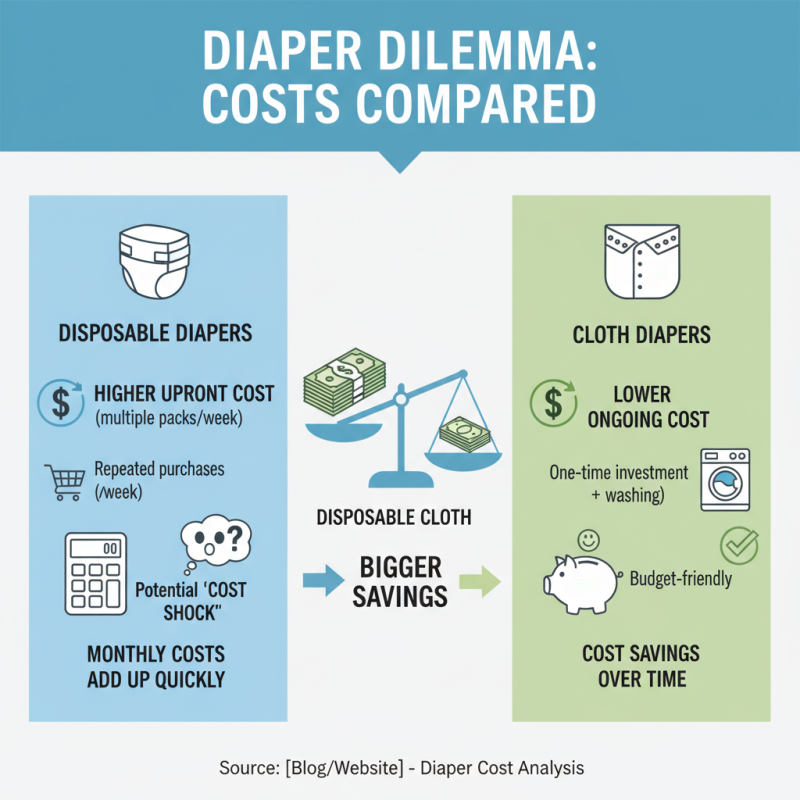
When it comes to choosing between disposable and cloth diapers, costs can vary significantly. Disposable diapers often come with a higher upfront cost. Parents frequently buy packs multiple times a week. This can add up quickly, especially in the first few months. Some parents may not realize how much they spend until they see the monthly totals. It can be shocking and cause second thoughts.
Cloth diapers, on the other hand, require an initial investment in the beginning. However, they can save money in the long run. These reusable options may need additional supplies like detergent. Washing and drying might add costs, but they often balance out over time. Parents might find it challenging to stick to routine washing. The commitment can feel daunting alongside a busy schedule.
Ultimately, the choice depends on what fits a family's lifestyle. Each option has its pros and cons. Some parents may appreciate the convenience of disposables. Others might prefer the eco-friendly aspect of cloth. Balancing cost, convenience, and environmental concerns can create tough decisions for new parents.