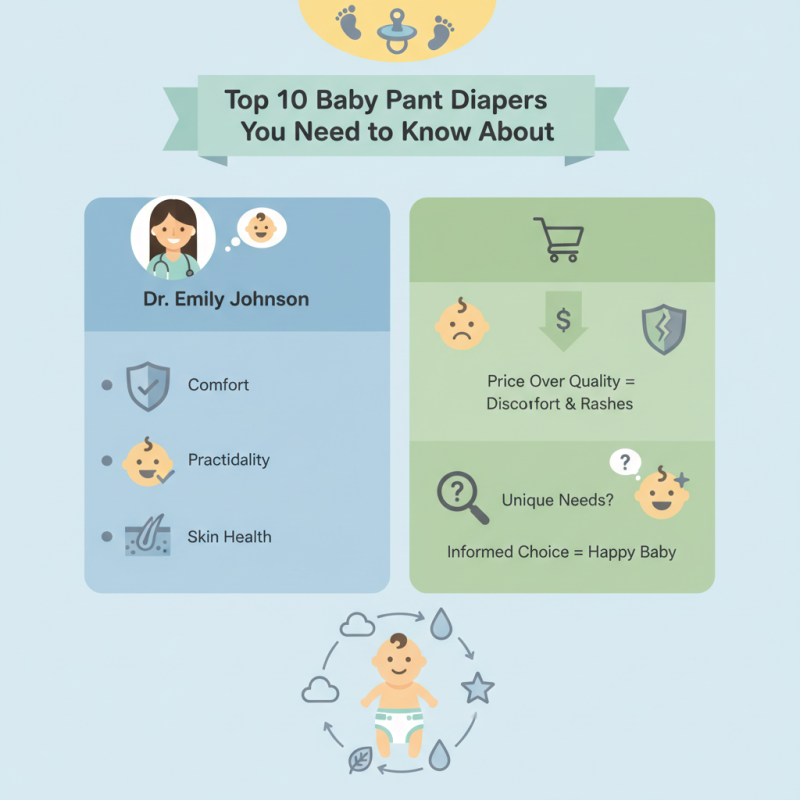
Choosing the right baby pant diaper is crucial for both comfort and practicality. As Dr. Emily Johnson, a renowned pediatrician and expert in infant care, states, "The right diaper can make a world of difference for your baby’s comfort and your peace of mind." With countless options available, it’s vital to understand what makes a quality baby pant diaper.
Parents often underestimate the impact of choosing the right diaper. Not only does it affect the baby's skin health, but it can also affect their mood. A diaper that fits well helps prevent leaks and rashes. However, many parents find it overwhelming to navigate the variety of brands and styles on the market.
Even with abundant choices, mistakes can happen. Some parents might prioritize price over quality, leading to discomfort for their child. Others might not consider their baby's unique needs. Reflecting on these aspects is essential. Being informed about the best baby pant diapers can help avoid common pitfalls.
When choosing baby pant diapers, understanding key features is crucial. Parents should prioritize material quality for sensitive skin. Studies indicate that nearly 30% of babies experience diaper rash, often linked to poor fabric choices. Soft, breathable materials help prevent irritation. Aim for pant diapers that provide a snug fit without being overly tight.
Absorbency is another vital factor. Reports show that parents seek diapers with high absorbency levels to ensure dryness and comfort. Diapers that can hold more liquid will keep the baby comfortable for extended periods. Look for products designed with moisture-wicking technology, which aids in better skin health.
Additionally, consider the diaper's ease of use. Many parents appreciate pant diapers for their convenience. However, improper sizing can lead to leaks. Ensuring the right fit can reduce waste and improve the experience. Reflecting on these details can clarify what features truly matter to you and your baby.
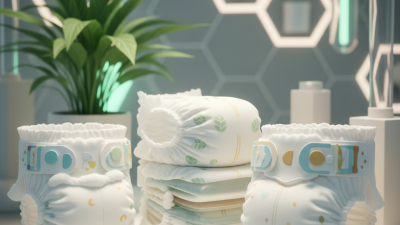
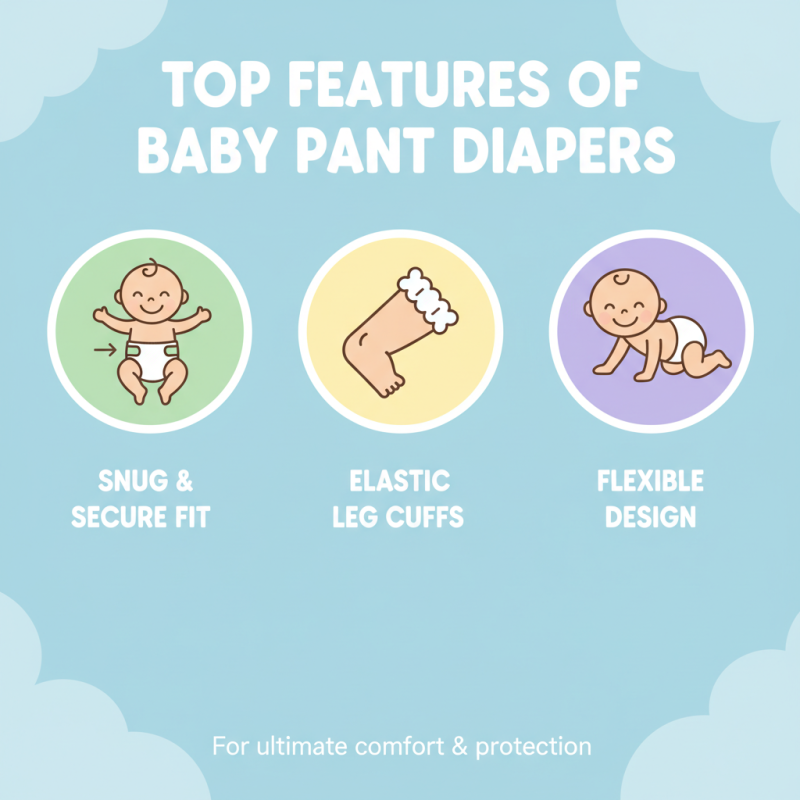
Choosing the right baby pant diapers is essential for your little one's comfort. Parents should look for a few key features when selecting diapers. First, a good fit is crucial. Diapers that hug the baby's waist well reduce leaks and enhance mobility. Elastic leg cuffs can offer better protection against accidents. Flexibility in design allows the baby to move freely during playtime.
Another important aspect is absorbency. High absorbency levels help keep your baby dry for longer periods. Diapers with materials that wick moisture away from the skin can prevent rashes. Parents have found this feature particularly useful during nighttime use. Additionally, breathability is vital. Diapers that allow air circulation help maintain skin health.
Lastly, consider the ease of use. Many parents prefer diapers that are easy to put on and take off. Snap closures or stretchy sides make quick changes possible, especially during outings. However, some designs may struggle with securing properly, leading to potential messes. Every parent’s experience will differ, and it’s worth exploring various options to find the best fit. Still, keeping these features in mind can guide you in selecting the most suitable baby pant diapers.
When choosing baby pant diapers, consideration of comfort and functionality is essential. Many parents find themselves overwhelmed by the variety of options available. Different brands offer unique features like 3D leak guards and stretchy waistbands. Some parents have reported discomfort with certain materials, leading to rashes. This highlights the importance of finding a suitable fit for your child.
Quality testing is vital before settling on a brand. Some diapers promise absorbency but fall short during heavy use. A detailed review of diaper features reveals that breathability and softness can vary. Parents emphasize the significance of a diaper that moves with the baby. Responsive customer service is another factor. A reliable brand often provides support in case of issues.
Another consideration is the diaper's environmental impact. While some parents prioritize eco-friendly options, the effectiveness must not be compromised. Research indicates that materials used in baby pants can affect skin health. Listening to feedback is crucial for improvement. Each baby's needs are unique, so pay attention to reactions and adjust your choices accordingly.
| Rank | Size | Absorbency | Material | Price per Diaper | Special Features |
|---|---|---|---|---|---|
| 1 | Small | High | Cotton Blend | $0.25 | Eco-friendly, Hypoallergenic |
| 2 | Medium | Medium | Disposable | $0.20 | Breathable, Flexible Fit |
| 3 | Large | High | Natural Materials | $0.30 | Ultra-absorbent, Soft Comfort |
| 4 | X-Large | Low | Polyester | $0.22 | Stretchy, Waterproof |
| 5 | Infant | Medium | Bamboo Fiber | $0.28 | Biodegradable, Gentle on Skin |
| 6 | Newborn | High | Organic Cotton | $0.35 | Ultra Soft, No Chemicals |
| 7 | Toddler | Medium | Eco-friendly Materials | $0.18 | Chlorine-Free, Odor Control |
| 8 | XX-Large | High | Plant-based Materials | $0.27 | Hypoallergenic, Dermatologist Tested |
| 9 | Large | Medium | Non-Toxic | $0.23 | Stretchable Sides, Breathable |
| 10 | Medium | High | Soft Fabric | $0.19 | Anti-Leak, Soft Fit |
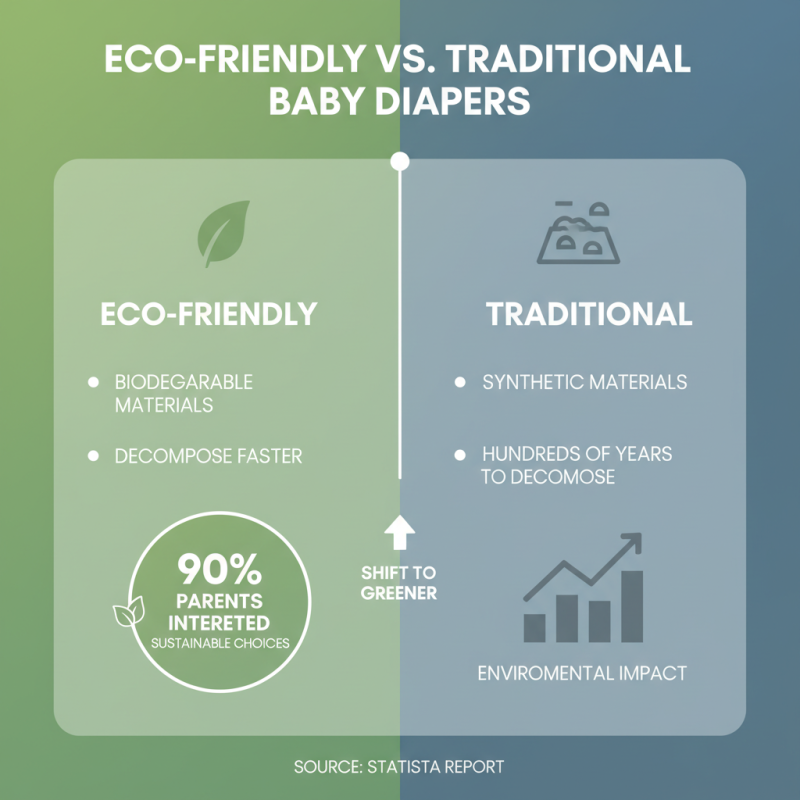
When considering baby pant diapers, eco-friendly options are gaining momentum. Traditional diapers, often made from synthetic materials, can take hundreds of years to decompose. In contrast, eco-friendly diapers use biodegradable materials. According to a recent report by Statista, around 90% of parents show an interest in sustainable products for their babies. This indicates a shift towards greener choices, reflecting a growing awareness of environmental impact.
Eco-friendly diapers often utilize natural fibers and plant-based materials. While they may reduce waste, they can be more expensive. Parents must weigh the benefits versus the cost. Traditional diapers offer convenience and are generally more absorbent. However, this can come at the expense of environmental health, a concern that is hard to ignore.
Tips: When choosing diapers, look for certifications like "biodegradable" or "chemical-free." It’s essential to read labels carefully. Consider trying a hybrid approach—using eco-friendly options at home and traditional ones during outings. Testing different brands can reveal what works best for your baby. Remember, each family's needs may vary, so reflect on what aligns with your values.
Choosing the right diaper size and fit for your baby is crucial for comfort and protection. Data from Parenting Research Association shows that nearly 30% of parents experience leaks due to improper sizing. A well-fitted diaper prevents skin irritation and keeps your baby happy.
Consider your baby's weight and body shape when selecting a diaper size. Most brands provide weight ranges on their packaging. Be aware that your baby's growth can vary, and a size may only last a few weeks. It's wise to try different sizes for the best fit.
Look for indicators like elastic bands that hug the legs without causing marks. If your baby seems uncomfortable or the diaper doesn't hold well, it's time to reassess the fit. Many parents report that their babies are more active, making proper fit even more necessary.
Checking the diaper every few hours can help you notice if a change is needed. Regular adjustments based on your baby's growth can lead to a more pleasant diapering experience.