The trend of Women Wearing Diapers is gaining traction globally. According to recent reports by market research firms, the women's adult diaper market is projected to grow significantly. The rise in awareness and acceptance of these products has changed perceptions. Many women are now considering diapers for comfort and convenience.
Data from leading healthcare analysts indicate that the demographic of women utilizing such products is expanding. This includes not only elderly women but also younger demographics facing various health challenges. These products are designed to be discreet, comfortable, and effective. Brands are investing in research to enhance product features, catering specifically to women's needs.
However, there are still challenges in the industry. Stigma surrounding women wearing diapers persists, leading to hesitancy among potential users. Furthermore, marketing strategies need improvement to reach wider audiences. Bridging this gap requires a focused approach on education and awareness. As this market evolves, ongoing analysis is critical to understand women’s needs and preferences.

The trend of women wearing diapers is gaining momentum globally. Reports indicate that the global adult diaper market is expected to grow significantly, reaching approximately $25 billion by 2026. This increase reflects a broader acceptance and understanding of women's health needs, particularly for those with certain medical conditions.
In various regions, the reasons for using diapers vary widely. For some, it is a matter of comfort during travel or at work. For others, it addresses health issues stemming from postpartum recovery or incontinence. Studies have shown that women often prioritize discreet designs and materials that provide both comfort and confidence.
**Tip:** Consider the importance of fit and absorbency when selecting a product. Comfort should never be sacrificed.
Understanding these trends is crucial for global buyers. It is vital to stay updated with consumer preferences. The data suggests that eco-friendly options are also becoming popular. Sustainability matters, and many women prefer products made from biodegradable materials.
**Tip:** Research local markets to identify specific demands and trends in women's needs. Tailoring offerings to meet those needs can enhance engagement and trust.
Adapting to the evolving landscape is essential. The nuances of women's perspectives in health and comfort guide market dynamics. Engaging with consumers helps shape future innovations in this growing sector.
The market for women’s adult diapers has seen significant growth in recent years. Factors like aging populations, increased prevalence of health issues, and changing social norms contribute to this trend. Many women find products that provide comfort and discretion essential for their daily lives. As societal attitudes shift, more women are open to using these products, breaking existing stigmas.
Consumer insights reveal that comfort and absorbency are critical. Women prioritize quality, seeking options that fit well and offer reliable protection. Design matters too; many prefer discreet styles that can fit under regular clothing. It's vital for manufacturers to innovate, addressing these needs effectively.
However, there are still barriers to acceptance and use. Some women hesitate due to embarrassment or lack of information. Encouraging open conversations about bladder health can help. Education plays a key role in changing perceptions. Discussions in healthcare settings are also necessary to foster understanding and support.
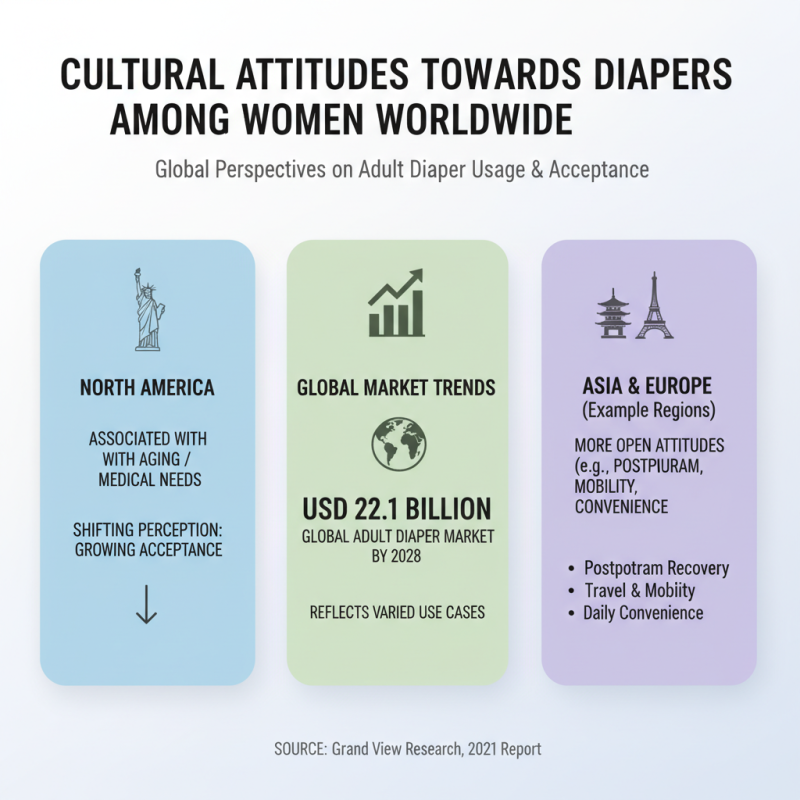
Cultural attitudes towards diaper usage among women vary considerably across different regions. In North America, for instance, adult diapers are often associated with aging or medical needs. However, the market has seen a shift. A recent report by Grand View Research indicated that the global adult diaper market is expected to reach USD 22.1 billion by 2028, reflecting growing acceptance and varied use cases.
In contrast, some Asian cultures embrace diapers in innovative ways. For example, women in Japan often view them as a practical solution for convenience during travel or busy lifestyles. The study shows that roughly 27% of women in urban areas of Japan incorporate them into their daily routines. This perspective challenges the stigma often attached to wearing diapers and encourages discussions about comfort and mobility.
Despite the progress, challenges remain. Diaper usage among women can still provoke mixed feelings. In many societies, wearing diapers is stigmatized, leading to reluctance in adoption. It's crucial to address these cultural barriers. The dialogue must evolve to promote acceptance and understanding of diverse needs.
Innovative designs in women’s diapers have transformed the market. Many women now prioritize comfort and discretion. Recent trends highlight softer materials, which enhance the wearing experience. These improvements cater to active lifestyles. Flexibility in sizing also plays a crucial role in ensuring a snug yet comfortable fit.
Additionally, many newer products feature advanced absorbency technologies. This innovation helps keep moisture away from the skin, reducing irritation. Some designs even offer breathable fabrics to enhance airflow. Such features contribute to overall skin health, an often overlooked aspect. However, choices can be overwhelming despite these advancements. Navigating various options might lead to confusion and unmet expectations.
Environmental concerns are also becoming salient in this space. Sustainable materials are gaining traction among consumers. Yet, there’s a lack of clarity in labeling. Women often find it difficult to assess the true ecological impact of their choices. Reflecting on these challenges can guide future innovations and purchases. Addressing these issues can lead to better, more informed decisions.
| Feature | Trend Data | Consumer Preferences (%) | Age Group |
|---|---|---|---|
| Ultra-Absorbent Technology | Growing demand due to healthcare awareness | 75% | 30-50 years |
| Skin-Friendly Materials | Rise in preference for hypoallergenic options | 68% | 20-45 years |
| Eco-Friendly Designs | Increased focus on sustainability | 60% | 18-40 years |
| Fashionable Prints | Trend towards stylish personal care products | 55% | 25-50 years |
| Odor Control Features | Essential for discretion and confidence | 70% | 30-60 years |
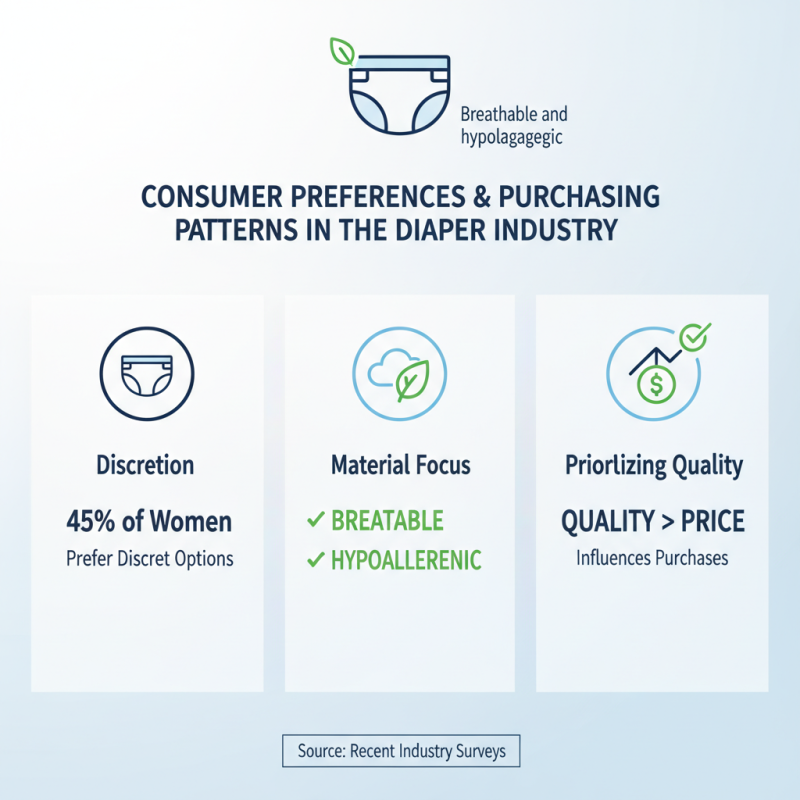
The diaper industry has seen notable shifts in consumer preferences. Recent surveys show that 45% of women prefer more discreet options, reflecting a rising demand for products that blend comfort with subtlety. Many women also look for materials that are breathable and hypoallergenic. This need for comfort directly influences purchasing decisions, as consumers increasingly prioritize quality over price.
Purchasing patterns reveal interesting insights. For instance, digital shopping is becoming the norm, especially among younger consumers. Reports indicate that 60% of women aged 18-35 purchase diapers online. They seek convenience and a wider variety of options. Additionally, there is a growing trend for eco-friendly products. A significant 30% of consumers express interest in biodegradable diapers. However, the higher cost remains a barrier for many.
The changing landscape demands that brands innovate. They must balance quality with sustainability while addressing diverse consumer needs. Some women still express frustration over the limited choices in their areas. As preferences evolve, companies need to stay adaptable and responsive. Understanding these insights helps them tap into the pulse of modern consumerism in the diaper industry.